
Facts and figures
© fotofrizz
On the south bank of the Elbe, space is being created on the formerly largely sealed port area for diverse housing, new working environments, various leisure and sports facilities as well as an extensive social, educational and cultural infrastructure.

Diverse housing supply
Subsidized housing, building ventures, building cooperatives, privately financed housing.

Future-oriented mobility
10-minute city, focus on bicycle and pedestrian traffic, public transport from 2031 with new subway station (U4), car sharing, bike & ride

Climate-Adaptive Neighborhood Development
Resilient infrastructure, repurposing existing buildings, consideration of the water cycle and urban climate, and resource-efficient building designs.

Good social infrastructure
Educational institutions (daycare centers and school), offerings for adolescents, neighborhood facilities

Various cultural, sports and leisure facilities
Cultural uses such as the German Port Museum, sports areas and popular sports, opportunities for water and club sports, green local recreation areas

Extensive local supply
Shopping, restaurants and cafes, various services, medical care
The district at a glance
In the middle of Hamburg, on the south bank of the Elbe, Grasbrook offers a unique opportunity to build a piece of the future
Grasbrook and Veddel
New bridges and pathways will allow Veddel and Grasbrook to grow together into a single urban space
History of Grasbrook
From pastureland to harbor uses to the modern new district. The appearance of Grasbrook has changed considerably over the centuries
Further information
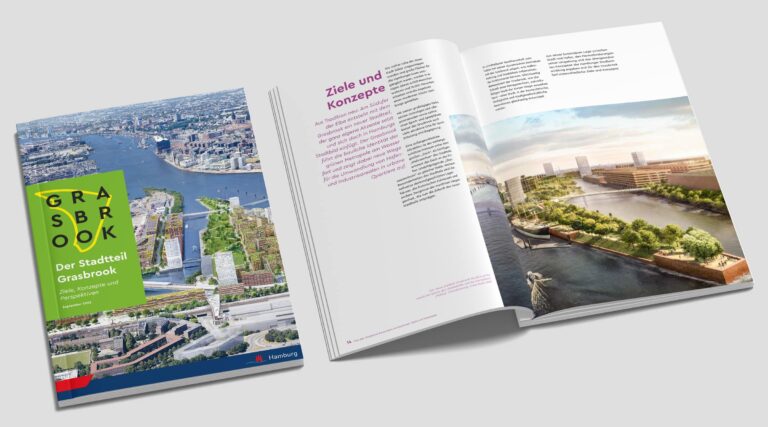
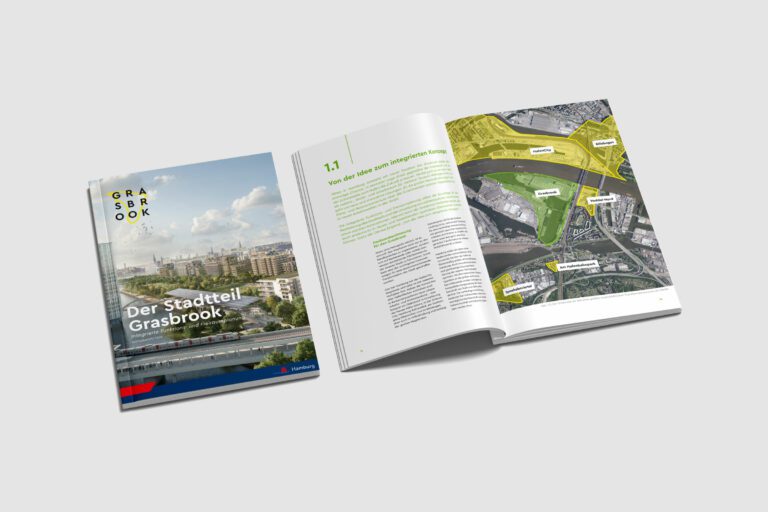
Report functional planning and Grasbrook Overview